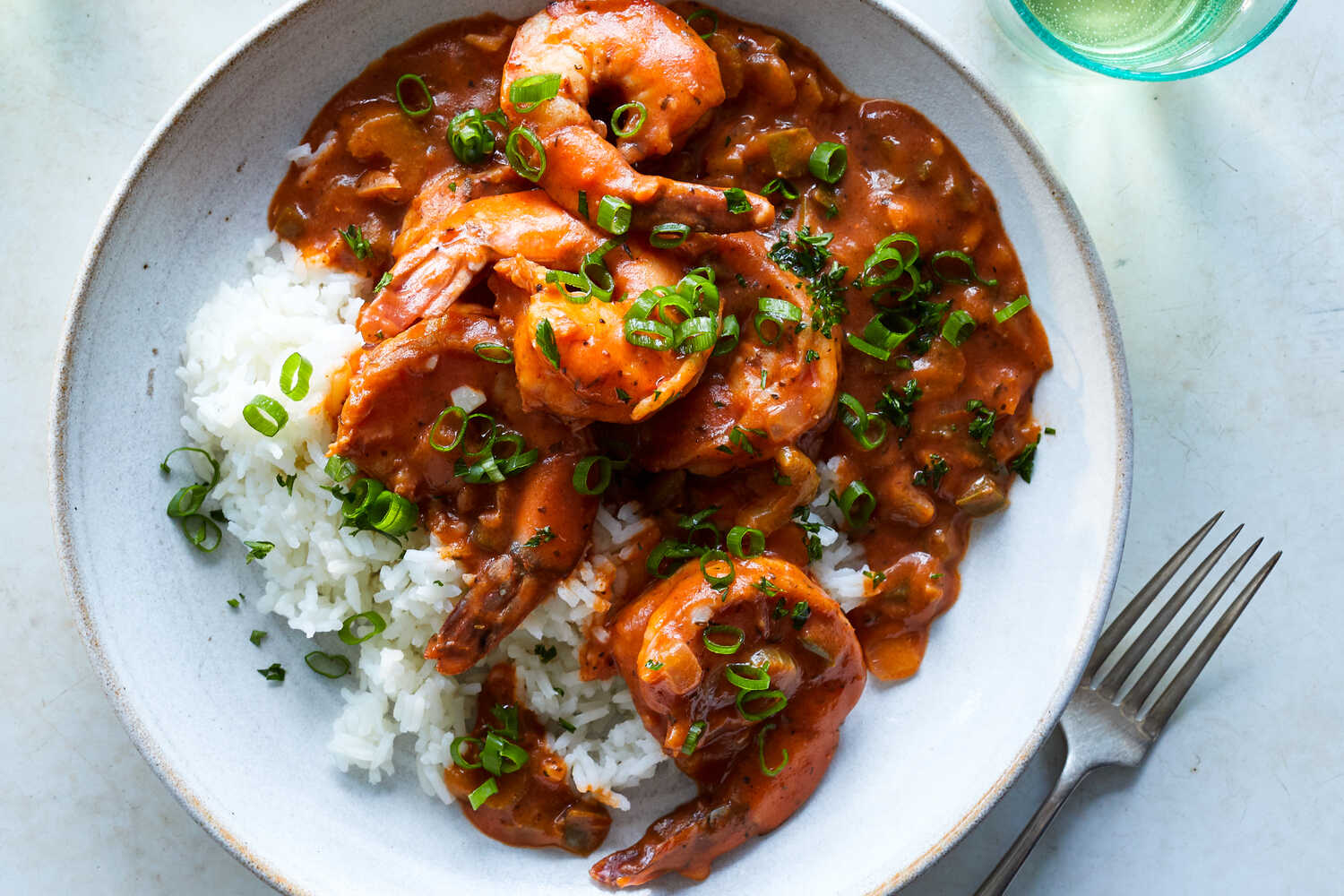
Unlocking the Soul of Louisiana: Mastering Authentic Shrimp Creole
There are dishes that simply transport you, and then there's
Shrimp Creole. This iconic Louisiana classic is more than just a meal; it's a vibrant journey to the heart of Creole cuisine, brimming with rich flavors, subtle spice, and the undeniable warmth of Southern hospitality. Forget complicated culinary endeavors; an authentic, deeply satisfying Shrimp Creole can be yours in a single pot and surprisingly little time – often ready in just 45 minutes. Imagine a robust, subtly spicy tomato sauce, luxuriously thickened with a simple roux, teeming with the aromatic "Holy Trinity" and succulent Gulf shrimp, all served over fluffy white rice. This isn't just dinner; it's a celebration, worthy of any Mardi Gras feast or a comforting weeknight meal.
What makes an authentic Shrimp Creole truly sing? It’s a symphony of carefully chosen ingredients and time-honored techniques, passed down through generations. From the foundational roux to the distinctive role of tomatoes, every element plays a crucial part in crafting this soulful dish.
The Cornerstones of Flavor: Roux and the Holy Trinity
At the heart of any great Louisiana dish lies a potent combination of foundational elements, and
Shrimp Creole is no exception. Its signature depth and body begin with two indispensable components: the roux and the Holy Trinity.
The Magic of the Roux
Don't let the word "roux" intimidate you. While it sounds fancy, it's simply a cooked mixture of fat and flour that acts as a thickening agent and flavor enhancer. For Shrimp Creole, a lighter, blonde roux is typically preferred, offering thickness without overpowering the delicate shrimp or bright tomato flavors.
*
Building the Base: A blend of salted butter and a touch of olive oil creates a rich foundation. The butter contributes a luscious flavor, while the olive oil helps prevent the butter from burning too quickly.
*
The Thickening Power: Just a tablespoon of all-purpose flour is usually all it takes. Whisked into the melted fat and cooked for a few minutes until it reaches a pale golden hue, the flour-and-fat mixture transforms into a velvety paste. This roux will later bind the sauce, giving it its characteristic luscious texture and contributing a subtle nutty flavor. It's a classic Creole technique that adds immeasurable depth.
The Aromatic Holy Trinity
No authentic Louisiana dish, especially one like
Shrimp Creole, would be complete without its aromatic backbone: the Holy Trinity. This trio of diced celery, green bell pepper, and sweet onion isn't just a collection of vegetables; it's the aromatic soul of the dish, providing a fresh, vibrant, and incredibly fragrant base.
*
Celery: Adds a subtle saltiness and herbaceous note, along with a pleasant crunch that softens beautifully in the sauce.
*
Green Bell Pepper: Contributes a distinctive, slightly bitter, and sweet vegetal flavor that is quintessential to Creole cooking.
*
Sweet Onion: Provides the fundamental sweetness and pungency that mellows into a savory depth as it cooks.
Sautéed until tender and fragrant, these three ingredients, along with a touch of garlic, form the true essence of the sauce, infusing every bite of
Shrimp Creole with unmistakable Louisiana character.
The Star Players: Gulf Shrimp and the Rich Tomato Base
While the roux and Holy Trinity lay the groundwork, the true stars of
Shrimp Creole are, unsurprisingly, the shrimp themselves and the vibrant, robust tomato sauce that cradles them.
Choosing Your Shrimp Wisely
For an unparalleled flavor and texture, the choice of shrimp is paramount.
*
Wild-Caught Gulf Shrimp: If possible, opt for fresh, wild-caught Gulf shrimp. Their natural habitat lends them a sweeter, more robust flavor and a firmer texture that truly stands out.
*
Size Matters: A 20/24 count (meaning 20-24 shrimp per pound) is often considered ideal. This size ensures a consistently juicy and tender bite, substantial enough to hold its own within the rich sauce without being overly chewy or too small to make an impact.
*
Preparation: Always use peeled and deveined shrimp. Whether you remove the tails is a matter of personal preference; some prefer them on for presentation, while others find them easier to eat without.
The Defining Element: The Tomato Base
Herein lies one of the most significant distinctions of
Shrimp Creole and Creole cuisine in general: the prominent use of tomatoes. Unlike many Cajun dishes, Creole cooking often embraces tomatoes, and in this dish, they are central to its identity.
*
Plain Crushed Tomatoes: To maintain the authentic flavor profile, it's crucial to use plain crushed tomatoes, not Italian-seasoned varieties. This ensures the Creole spices and aromatics shine through without competing herbs like oregano or basil. The tomatoes provide the dish's characteristic reddish hue and tangy, fruity sweetness, perfectly balancing the other savory elements.
*
Balancing Act: A small amount of sugar, perhaps a teaspoon, might seem unconventional, but it plays a vital role. It expertly balances the acidity of the tomatoes, rounding out the sauce and preventing it from tasting overly sharp.
The Kick and Complexity: Seasonings and Sauces
To elevate the sauce from merely good to truly spectacular, a blend of carefully chosen seasonings and condiments is essential:
*
Cajun Seasoning: This provides the dish's signature warmth and spice. While store-bought blends like Slap Ya' Mama or Emeril's Blackened Seasoning are excellent choices, making your own
Cajun or Creole seasoning allows for precise control over the spice level and salt content. Remember, you can always add more heat later.
*
Worcestershire Sauce: A splash of Worcestershire adds an incredible layer of savory depth and umami, enhancing the overall complexity of the sauce.
*
Tabasco: For those who love a bit more heat, Tabasco sauce is the traditional choice. Add it to taste, adjusting to your preferred spice level.
Crafting Authenticity: Emeril's Influence & Creole Distinction
The culinary landscape of Louisiana is rich with history and distinct traditions. Understanding these nuances helps us appreciate the true essence of dishes like
Shrimp Creole.
Emeril Lagasse and Haute Creole
Few chefs are as synonymous with Louisiana cuisine as Emeril Lagasse. Decades ago, even during his tenure at the legendary Commander's Palace in New Orleans, Emeril was already refining what would become known as "haute Creole" cooking. His recipes, including his take on
Shrimp Creole, perfectly encapsulate the traditional flavors while often elevating them with a chef's touch. His emphasis on the "flavor trinity" and careful layering of spices is a testament to the enduring principles of Creole cooking.
Creole vs. Cajun: The Tomato's Defining Role
While often used interchangeably, Creole and Cajun cuisines have distinct roots and characteristics. This distinction is nowhere more apparent than in the role of tomatoes.
*
Creole Cuisine: Born in colonial New Orleans, Creole cuisine is a melting pot of influences from indigenous groups, French and Spanish colonists, enslaved Africans, and various traders. It embraced a wider array of ingredients, including those from global trade, and notably, often incorporated tomatoes into its sauces and stews. This urban, sophisticated style leaned towards richer, more complex dishes.
*
Cajun Cuisine: Originating in the bayous and prairies of rural Louisiana, Cajun cuisine was shaped by the Acadians (French settlers from Canada). It's a more rustic, country-style cooking, utilizing local ingredients and adapting French techniques to their new environment. Traditionally, Cajun dishes, particularly gravies and stews, did not typically feature tomatoes prominently, often relying on darker roux and broths for their base.
This
fundamental difference in the use of tomatoes is why a rich, red, tomato-based sauce like that found in
Shrimp Creole unequivocally declares its Creole heritage. It's a delicious historical marker on your plate.
Practical Tips for a Perfect Pot of Shrimp Creole
Mastering
Shrimp Creole is well within reach, especially with a few practical tips to guide you. Remember, part of the joy of cooking this dish is in its relative simplicity and the incredible reward of authentic flavor.
Embrace the One-Pot Wonder
One of the great appeals of Shrimp Creole is that it's largely a one-pot affair. This not only simplifies cleanup but also allows flavors to meld beautifully as they simmer together. From building the roux to simmering the sauce and finally adding the shrimp, everything happens in a single, well-loved pot. For an
authentic Louisiana Shrimp Creole that's easy and ready in 45 minutes, the one-pot method is key.
Don't Overcook the Shrimp!
Shrimp cook quickly, and overcooked shrimp become rubbery and unappetizing. Add them in the last few minutes of cooking, just until they turn pink and opaque. Their residual heat will continue to cook them perfectly in the simmering sauce. Some chefs even prefer to quickly sear the shrimp separately and add them at the very end to ensure they remain tender.
Taste and Adjust
Louisiana cooking is all about flavor, and personal preference plays a big role. Taste your sauce as it simmers. Do you want more heat? Add a dash more Tabasco. Does it need a little more tang? A squeeze of lemon or more Worcestershire can work wonders. Is it too acidic? A tiny pinch more sugar can balance it out. Don't be afraid to adjust seasonings to suit your palate.
Homemade Seasoning Advantage
If you decide to make your own Cajun seasoning blend (highly recommended!), you'll likely make more than you need for one recipe. Store the remainder in an airtight container, and it will be a fantastic secret weapon for seasoning other seafood, chicken, or vegetables. It gives you precise control over ingredients and freshness.
The Essential Accompaniment
There's only one way to truly serve
Shrimp Creole: over a generous bed of fluffy white rice. The rice acts as the perfect canvas, soaking up every last drop of the rich, flavorful sauce. Don't forget some crusty French bread on the side for mopping up any remaining deliciousness! For a complete meal, a simple side salad or some steamed green beans would complement it beautifully.
Experience the Taste of Louisiana
Mastering
Shrimp Creole is a rewarding experience, not just for the delicious meal it yields, but for the culinary journey it represents. From the foundational simplicity of the roux and the aromatic embrace of the Holy Trinity to the vibrant punch of Gulf shrimp and a rich, tomato-forward sauce, every element tells a story of Louisiana's diverse and soulful heritage. This isn't just a recipe; it's an invitation to bring the warmth, spice, and undeniable flavor of the South right into your kitchen. So gather your ingredients, follow these secrets, and prepare to delight your senses with an authentic taste of Creole excellence.