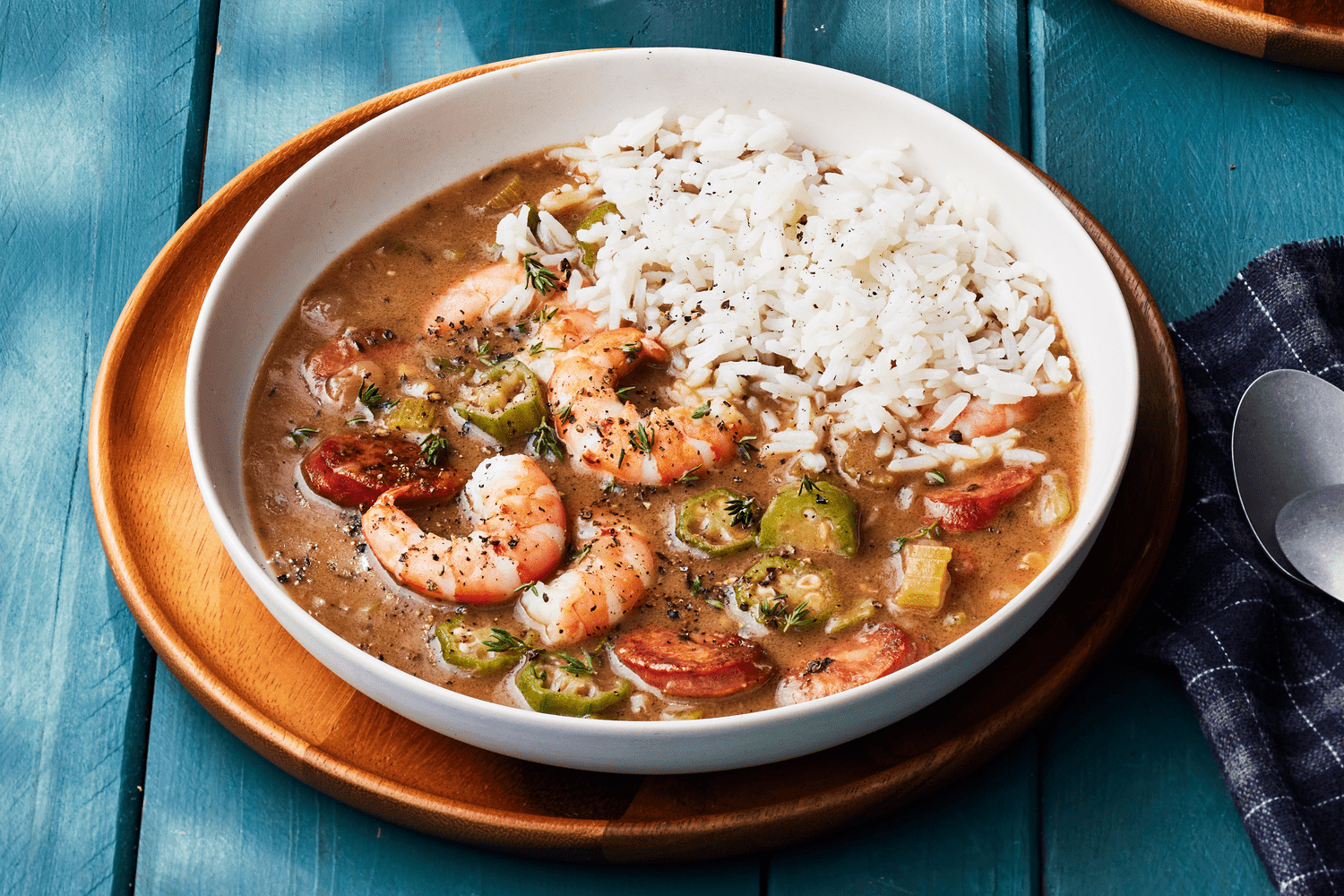
Creole vs. Cajun: The Tomato's Role in Authentic Shrimp Creole
Louisiana cuisine is a vibrant tapestry woven from diverse cultures, rich histories, and unparalleled flavors. Among its most celebrated dishes is
Shrimp Creole, a soulful classic that embodies the spirit of New Orleans cooking. However, the culinary landscape of Louisiana is often broadly categorized into "Creole" and "Cajun," leading to delightful debates among food enthusiasts. While both traditions share common ground, particularly in their use of the "holy trinity" of aromatics, a key ingredient often distinguishes them: the tomato. For an authentic Shrimp Creole, the presence and proper application of this vibrant fruit are not just optional – they are fundamental, defining its very Creole identity.
Unpacking the Roots: Creole vs. Cajun Cuisine
To truly appreciate the tomato's significance in Shrimp Creole, it's essential to understand the distinct origins of Creole and Cajun cooking. While often intertwined, their histories and characteristics paint different culinary pictures.
Creole cuisine emerged in colonial Louisiana, primarily within the cosmopolitan hub of New Orleans. It's a true melting pot, a sophisticated blend born from the influences of Indigenous peoples, French and Spanish colonists, enslaved Africans, and various traders who brought global ingredients and techniques to the bustling port city. This fusion resulted in a refined, often complex style of cooking that could incorporate exotic spices, rich sauces, and indeed, tomatoes, which were embraced for their acidity and body. Think of Creole as the urban, elegant cousin, using a wide array of ingredients that reflect its diverse heritage. Celebrated chefs like Emeril Lagasse, who honed his skills at the legendary Commander's Palace, became experts in "haute Creole" cooking, showcasing its layers of flavor and tradition.
Cajun cuisine, on the other hand, has more rustic, country roots. It was shaped by the Acadians, a group of French settlers who were expelled from Canada (Acadia) and eventually found their home in the bayous and prairies of southwestern Louisiana. Adapting traditional French dishes to local ingredients, Cajun cooking became known for its resourceful, hearty, and often spicier fare. It prioritized ingredients readily available in the rural landscape – freshwater fish, game, and seasonal vegetables – and developed techniques like boudin making and cracklin's. Traditionally, Cajun dishes tend to rely on dark roux, onions, bell peppers, and celery for their base, often eschewing tomatoes to preserve a distinct flavor profile. This distinction, while not absolute, serves as a crucial identifier for many classic dishes.
The Heart of Authentic Shrimp Creole: A Tomato-Rich Story
With this historical backdrop, the authenticity of
Shrimp Creole firmly plants itself in the Creole tradition due to its foundational use of tomatoes. This dish isn't just "shrimp in a sauce"; it's a rich, subtly spicy tomato sauce brimming with flavor, showcasing the sophisticated layering characteristic of New Orleans cuisine.
At its core, an authentic Shrimp Creole begins with the "holy trinity" – diced celery, green bell pepper, and sweet onion – sautéed to tender perfection. This aromatic base is a common thread throughout Louisiana cooking, whether Creole or Cajun. However, where a Cajun dish might build upon this with a darker roux and perhaps broth, a Creole rendition introduces plain crushed tomatoes, creating the signature reddish-orange hue and tangy depth. These aren't just any tomatoes; using plain crushed tomatoes (not Italian-seasoned) is crucial to maintain an authentic Louisiana flavor without competing herbs like oregano or basil.
The tomatoes provide the vibrant acidity and body that define Shrimp Creole, balancing the richness of the roux and the spice of the seasoning. A touch of sugar is often added to temper the tomatoes' acidity, creating a harmonious, well-rounded flavor profile. Beyond the tomatoes, other key ingredients like Worcestershire sauce and Tabasco contribute layers of savory, tangy depth and a touch of heat, further enhancing the complex flavor typical of Creole dishes. Without the tomato, a dish might feature shrimp and the trinity, but it wouldn't be a true Shrimp Creole; it would be something else entirely, perhaps a roux-based stew, but lacking that characteristic bright, piquant quality that defines this classic.
Crafting the Perfect Pot: Key Ingredients and Techniques
Achieving an authentic Shrimp Creole goes beyond just knowing the ingredients; it's about selecting quality and applying proper techniques. The one-pot, 45-minute preparation often associated with this dish makes it accessible for any weeknight or a festive Mardi Gras celebration.
1. **The Shrimp:** For the best flavor and texture, wild-caught, fresh Gulf shrimp are paramount. A 20/24 count (20-24 shrimp per pound) offers a consistent, juicy, and tender bite. Ensure they are peeled and deveined, with tails removed if preferred for easier eating. The freshness of the shrimp is non-negotiable for a truly sublime experience.
2. **The Roux:** While some might find the idea of making a roux intimidating, for Shrimp Creole, it’s typically a simple, light roux. A mix of salted butter and olive oil provides a rich base, into which just a tablespoon of all-purpose flour is whisked. This blonde roux thickens the sauce and adds a foundational depth without overpowering the tomato. It's a quick step that transforms the sauce's texture.
3. **The Holy Trinity & Aromatics:** After the roux, the diced celery, green bell pepper, and sweet onion are sautéed until tender. Adding garlic at this stage builds another essential layer of flavor.
4. **The Tomato Base:** As discussed, plain crushed tomatoes are the star here. They are simmered with the trinity, creating the rich, red sauce. This is where the sauce truly comes alive, becoming the luscious backdrop for the shrimp.
5. **Seasoning & Spice:** A good Cajun seasoning blend is crucial for that "kick." Whether you opt for a homemade blackened Cajun seasoning for precise control or a trusted store-bought brand like Slap Ya' Mama or Emeril’s, remember to adjust the spice level and salt to your preference. The addition of Worcestershire and Tabasco provides those final savory and tangy notes, allowing you to fine-tune the heat. A small spoonful of sugar expertly balances the acidity of the tomatoes, creating a wonderfully rounded flavor profile.
Beyond the Bowl: Serving and Savoring Your Creole Masterpiece
Once your
Shrimp Creole has simmered to perfection, allowing all the flavors to meld beautifully, the traditional way to serve it is over a generous bed of fluffy white rice. The rice soaks up the rich, tomatoey sauce, ensuring every bite is infused with the robust flavors of Louisiana. The dish is hearty enough to be a standalone meal, but it pairs wonderfully with a side of crusty French bread for dipping, or a simple green salad to cut through the richness.
Savoring Shrimp Creole is an experience in itself. Each spoonful offers a harmonious blend of sweet, spicy, savory, and tangy notes, with the tender shrimp and aromatic vegetables creating a comforting yet exciting culinary journey. It's a dish that tells a story – a story of diverse cultures coming together in the vibrant city of New Orleans, united by a love for bold, unforgettable food.
Conclusion
The debate between Creole and Cajun cuisine is a testament to the depth and variety of Louisiana's culinary heritage. While both are undeniably delicious, the authentic Shrimp Creole proudly stands as a pillar of Creole cooking, largely due to the indispensable role of the tomato. It's the bright, acidic, and subtly sweet presence of plain crushed tomatoes that distinguishes this dish, weaving it into the rich tapestry of New Orleans' melting-pot culinary traditions. From the selection of fresh Gulf shrimp to the careful balance of spices and the foundational roux, every element contributes to a dish that is not just food, but a celebration of culture and flavor. So, the next time you crave an authentic taste of Louisiana, remember the tomato – it’s the definitive mark of a true Shrimp Creole.